STEAM LEAKS
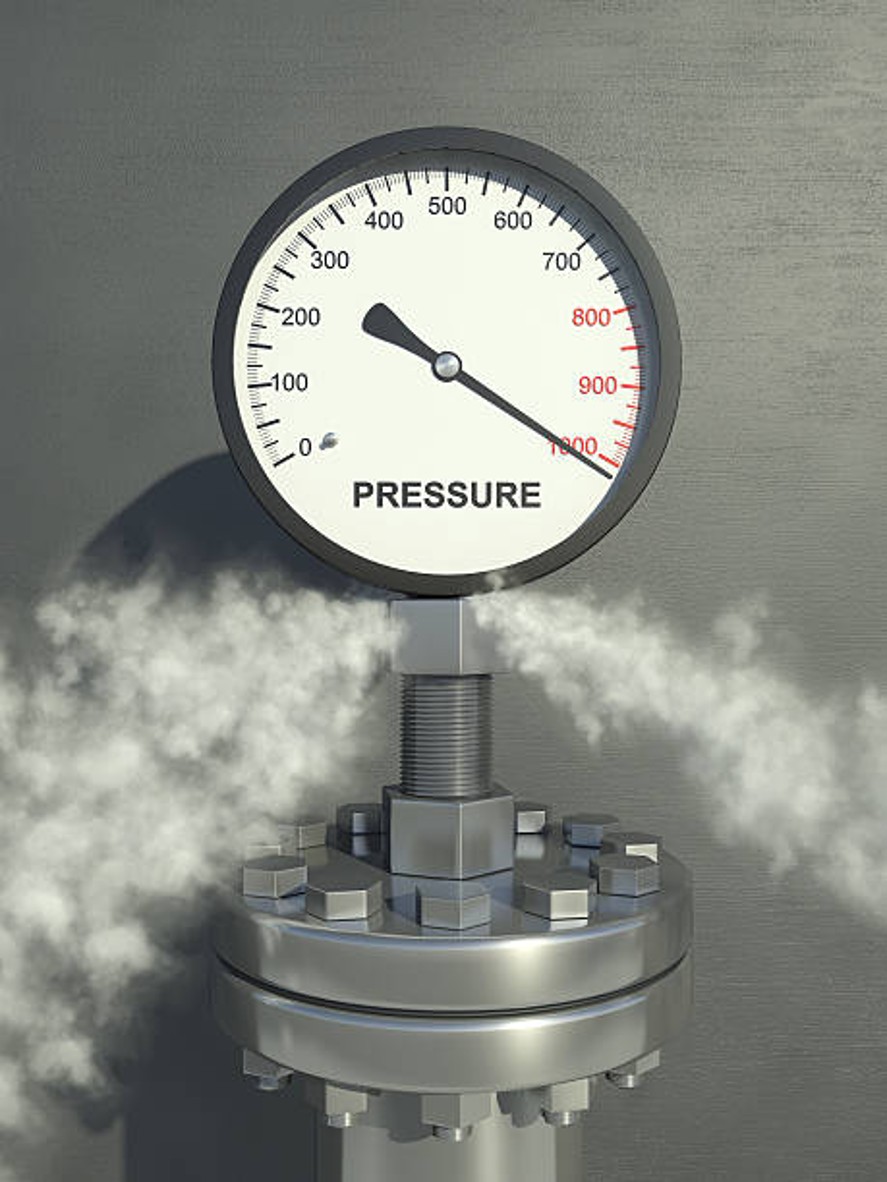
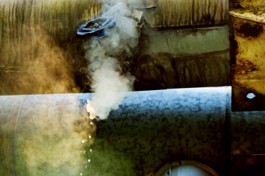
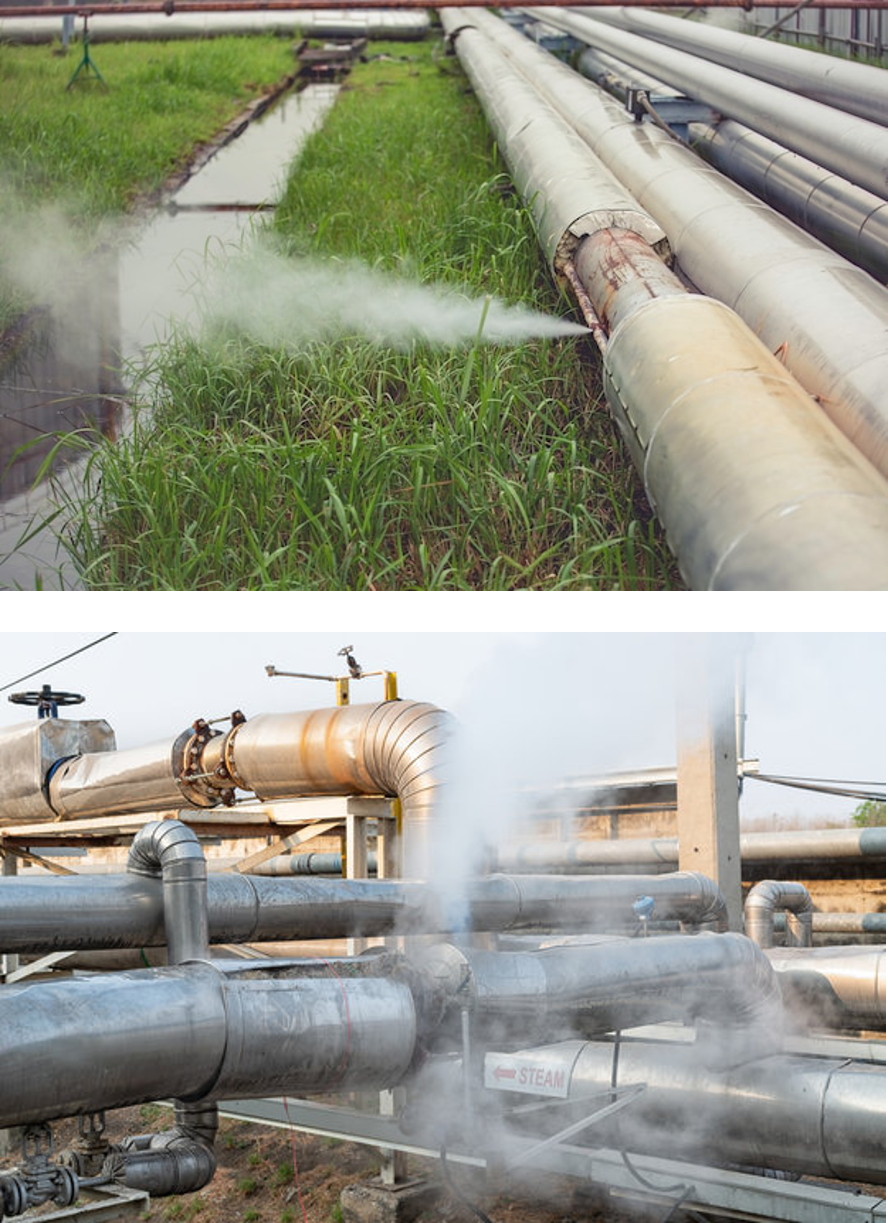
Steam leaks are among the most common and costly energy losses in industrial plants. Because steam systems operate at high temperature and pressure, even a small leak can result in significant energy wastage, reduced process efficiency, safety hazards, and increased operating costs.
What is a Steam Leak?
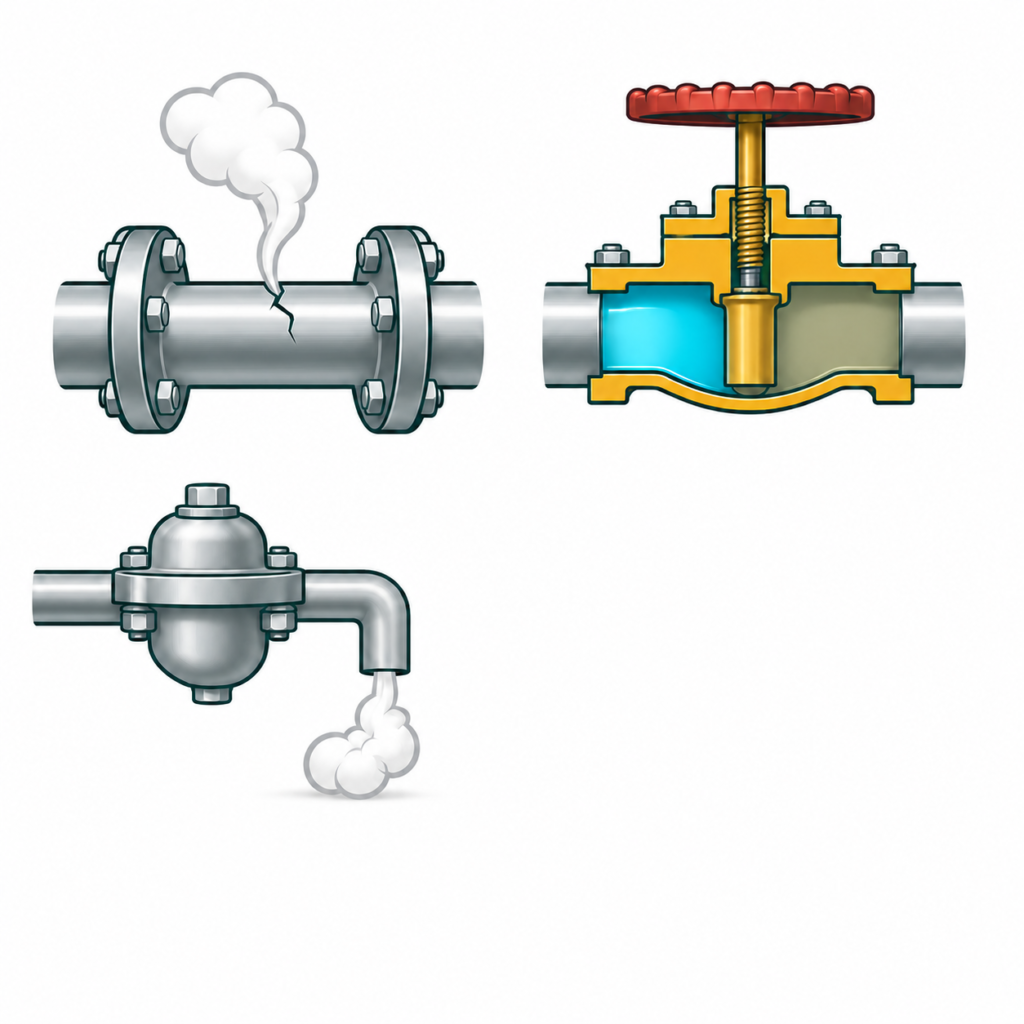
A steam leak occurs when pressurized steam escapes unintentionally from:
- Pipelines
- Flanges
- Valves
- Steam traps
- Gaskets
- Joints
- Heat exchangers
- PRVs (Pressure Reducing Valves)
Steam leaks are often difficult to detect visually, especially in noisy industrial environments or insulated piping systems safety hazard.
Steam leaks can be invisible but their danger is real. Identify, report, isolate, and repair leaks promptly to protect people, equipment, and plant operations.
CAUSES OF STEAM LEAKS
Steam leaks occur due to a combination of mechanical deterioration, operational issues, thermal stresses, improper maintenance, installation problems, and system aging. Since steam systems operate under high temperature and pressure, components are continuously exposed to severe operating conditions that can eventually lead to leakage.

1. Gasket Failure
Gaskets are among the most common sources of steam leaks.
Causes:
- Aging and hardening of gasket material
- Excessive temperature exposure
- Improper gasket selection
- Uneven flange tightening
- Thermal expansion and contraction
- Over-compression during installation
- Chemical deterioration
Typical Leak Areas:
- Flanged joints
- Valve bonnet joints
Heat exchanger connections
2.Flange Problems
Flange joints are highly susceptible to leakage under thermal and pressure cycling.
Causes:
- Misalignment of flanges
- Uneven bolt tightening
- Loose bolts
- Improper torque application
- Warped flange faces
- Corrosion on flange surfaces
- Vibration-induced loosening

3. Valve Leakage
Steam valves may leak internally or externally.
External Leakage Causes:
- Worn stem packing
- Bonnet gasket failure
- Cracked valve body
Internal Leakage Causes:
- Erosion of valve seats
- Wire drawing effect
- Cavitation damage
- Corrosion
- Improper valve closing
- Damaged valve discs

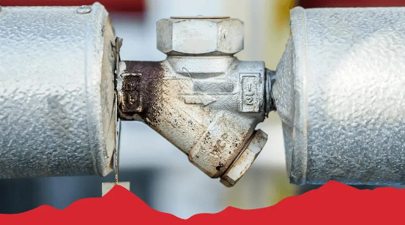
4. Steam Trap Failure
Steam traps are critical components in steam systems.
Common Failure Causes:
- Dirt and debris accumulation
- Worn internal components
- Float damage
- Thermostatic element failure
- Corrosion and scaling
- Water hammer damage
- Incorrect trap sizing
Failed steam traps may:
- Leak live steam
- Remain closed causing condensate backup

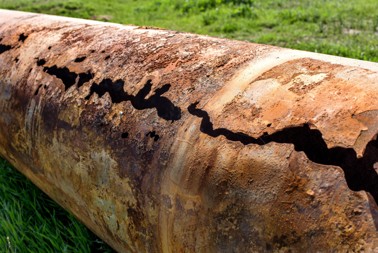
5. Pipe Corrosion & Erosion
Steam piping undergoes continuous thermal and flow stress.
Causes:
- Internal corrosion from condensate
- Oxygen attack
- Chemical contamination
- Flow accelerated corrosion (FAC)
- Erosion from high-velocity steam
- Wet steam conditions
- External atmospheric corrosion

6. Thermal Expansion & Contraction
Steam systems continuously expand and contract during operation.
Effects:
- Stress on joints and supports
- Cracking at welds
- Flange distortion
- Fatigue failure
Repeated thermal cycling weakens components over time.

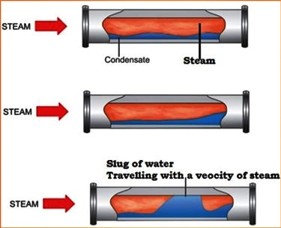
7. Water Hammer
Water hammer is a severe pressure shock caused by condensate movement in steam lines.
Causes:
- Poor condensate drainage
- Improper steam trap operation
- Sudden valve operation
- Improper pipeline slope
Damage Caused:
- Pipe cracks
- Gasket blowouts
- Valve damage
Joint failures

8. Poor Installation Practices
Incorrect installation significantly increases leak probability.
Common Issues:
- Improper pipe alignment
- Incorrect gasket installation
- Wrong bolt tightening sequence
- Inadequate support structures
- Poor welding quality
- Incorrect steam trap installation

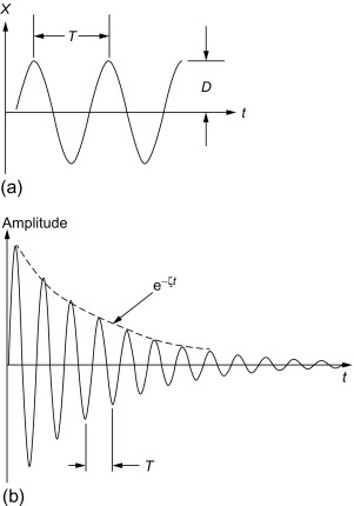
9. Mechanical Vibration
Rotating equipment and steam flow induce vibration.
Effects:
- Bolt loosening
- Fatigue cracking
- Joint movement
- Seal degradation
Vibration is especially problematic near:
- Turbines
- Compressors
- Pumps
- PRV stations

10. Excessive Steam Pressure
Operating beyond design pressure stresses components excessively.
Consequences:
- Seal failure
- Pipe deformation
- Accelerated erosion
- Valve leakage

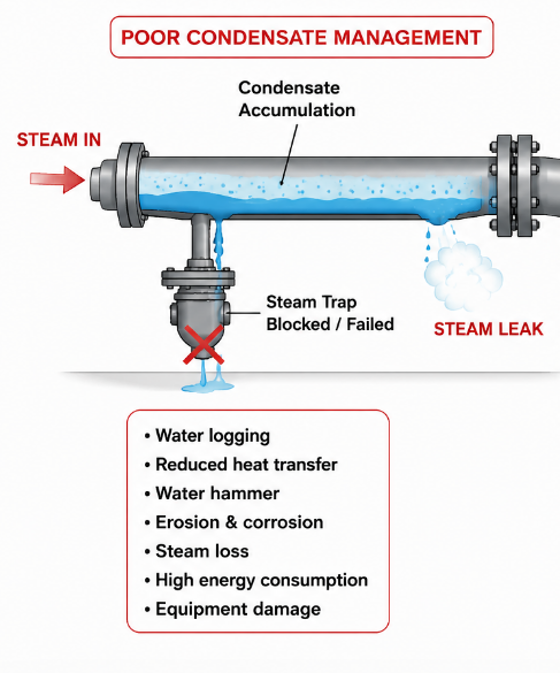
11. Poor Condensate Management
Condensate accumulation creates multiple system problems.
Causes:
- Blocked steam traps
- Inadequate drain points
- Incorrect piping slope
- Condensate backpressure
Results:
- Wet steam
- Water hammer
- Corrosion
- Increased leakage

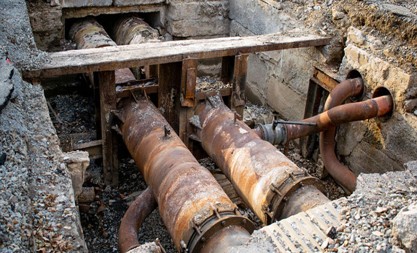
12. Aging Infrastructure
Older steam systems naturally deteriorate over time.
Age-Related Problems:
- MaCorrosion thinning
- Reduced sealing capability
- Cracked welds
- Brittle components
- terial fatigue

13. Insulation Damage
Damaged insulation indirectly contributes to leaks.
Effects:
- Heat loss
- Moisture ingress
- Corrosion under insulation (CUI)
- Thermal stress variation
Hidden corrosion beneath insulation is a major industrial issue.

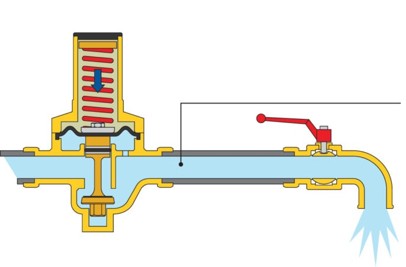
14. Pressure Reducing Valve (PRV) Problems
PRVs operate under severe pressure differentials.
Failure Causes:
- Seat erosion
- Spring fatigue
- Dirt contamination
- Improper tuning
- Internal wear
PRV leakage can cause:
- Steam wastage
- Downstream overpressure
- Process instability

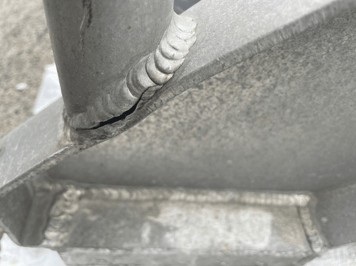
15. Weld Cracks & Fabrication Defects
Poor weld integrity can lead to steam leakage.
Causes:
- Thermal fatigue
- Poor welding procedures
- Incomplete penetration
- Stress concentration
- Metallurgical defects

16. Improper Steam System Design
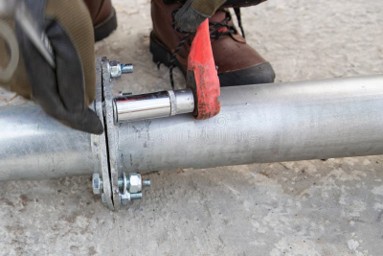
Design issues can accelerate leakage.
Examples:
- Incorrect pipe sizing
- Inadequate expansion loops
- Poor condensate drainage design
- Unsupported piping
- Excessive steam velocity

17. Human Error
Operational mistakes can also create leaks.
Examples:
- Improper valve operation
- Over-tightening bolts
- Incorrect maintenance procedures
- Delayed repairs
- Use of incorrect spare parts

18. Chemical Contamination
Contaminants accelerate material degradation.
Sources:
- Boiler water chemistry imbalance
- Acidic condensate
- Oxygen contamination
- Chemical carryover
This leads to:
- Corrosion
- Scaling
- Erosion damage

19. Steam Quality Problems
Wet steam creates severe mechanical issues.
Effects:
- Erosion
- Water hammer
- Condensate accumulation
- Reduced heat transfer efficiency

20. Lack of Preventive Maintenance
Many steam leaks develop because systems are not routinely inspected.
Without regular monitoring:
- Small leaks grow larger
- Energy losses increase
- Failures become catastrophic
SUITABLE PRODUCTS FOR STEAM LEAK DETECTION
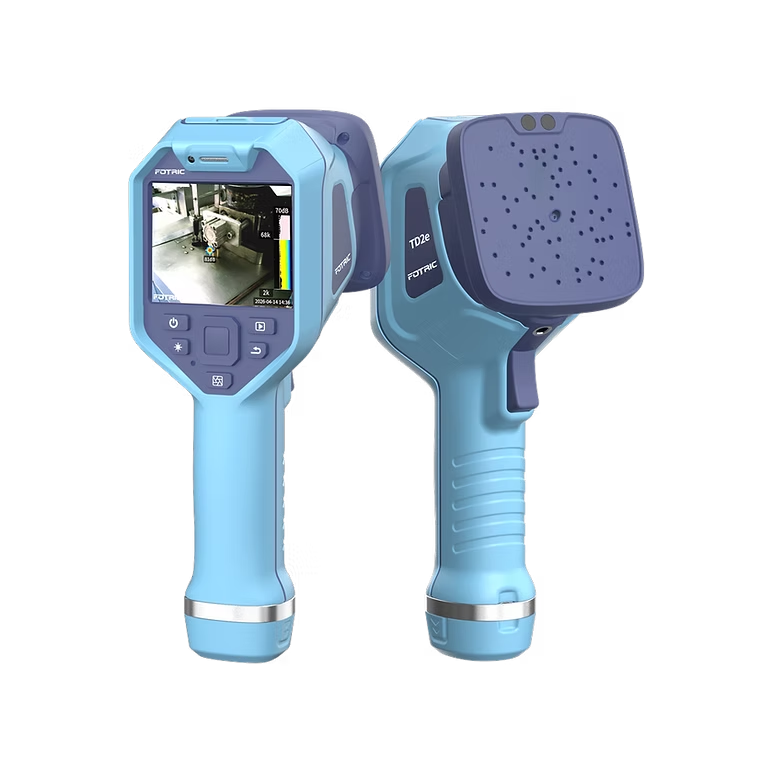
Acoustic Camera Basic
See Sound From 'Inaudible' to 'Visible'.
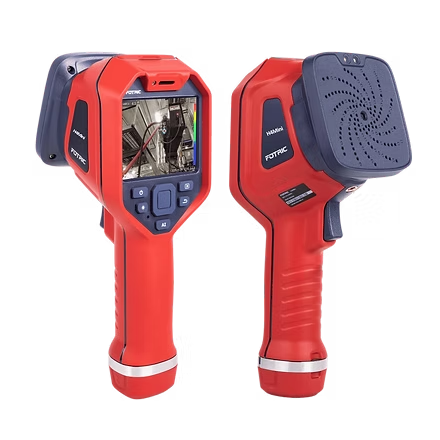
Acoustic Camera Advanced
Beyond what’s Audible.
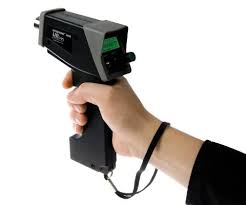
Ultraprobe UP3000
A digital ultrasound solution for energy-saving leak surveys.
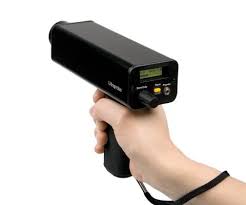
Ultraprobe UP9000
Expand your inspection capabilities with digital ultrasound technology.
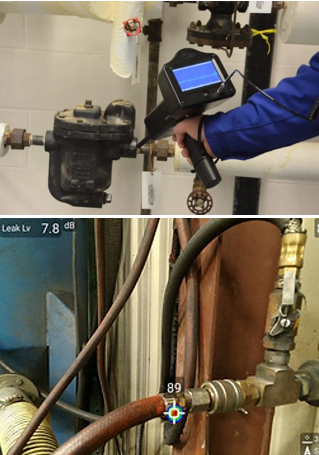
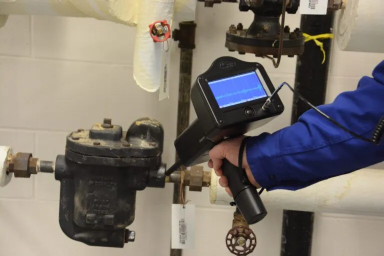
How Ultrasound Helps Identify These Leak Causes
Ultrasound technologies such as:
- Ultraprobe UP3000
- FOTRIC Acoustic Camera
help identify:
- Steam turbulence
- Valve passing
- Steam trap failure
- Flange leaks
- Pinhole leaks
- Internal leakage
before they become major failures.
CONCLUSION
Steam leaks are caused by a combination of:
- Mechanical deterioration
- Thermal stress
- Corrosion
- Pressure fluctuations
- Poor installation
- Aging infrastructure
- Inadequate maintenance
Understanding these causes and implementing regular ultrasound inspections significantly improves:
- Energy efficiency
- Reliability
- Safety
- Steam system performance.