
HIGH VOLTAGE (HV) ELECTRICAL ASSET INSPECTION
What is High Voltage (HV) Inspection?
High Voltage inspection is the process of assessing energized HV electrical assets to identify:
Partial Discharge (PD)
- Surface PD
- Internal PD
- Floating PD
Cable PD
- Corona discharge
- Tracking
- Arcing
- Insulation deterioration
- Loose connections
- Thermal abnormalities
- Electrical stress conditions
before these issues escalate into major failures.
Technologies For Electrical Inspection – MV,HV Assets (Electrical Asset Reliability)
Ultrasound
Transient Earth Voltage (TEV)
Acoustic Emission
IR Thermography
Types of PD Identified
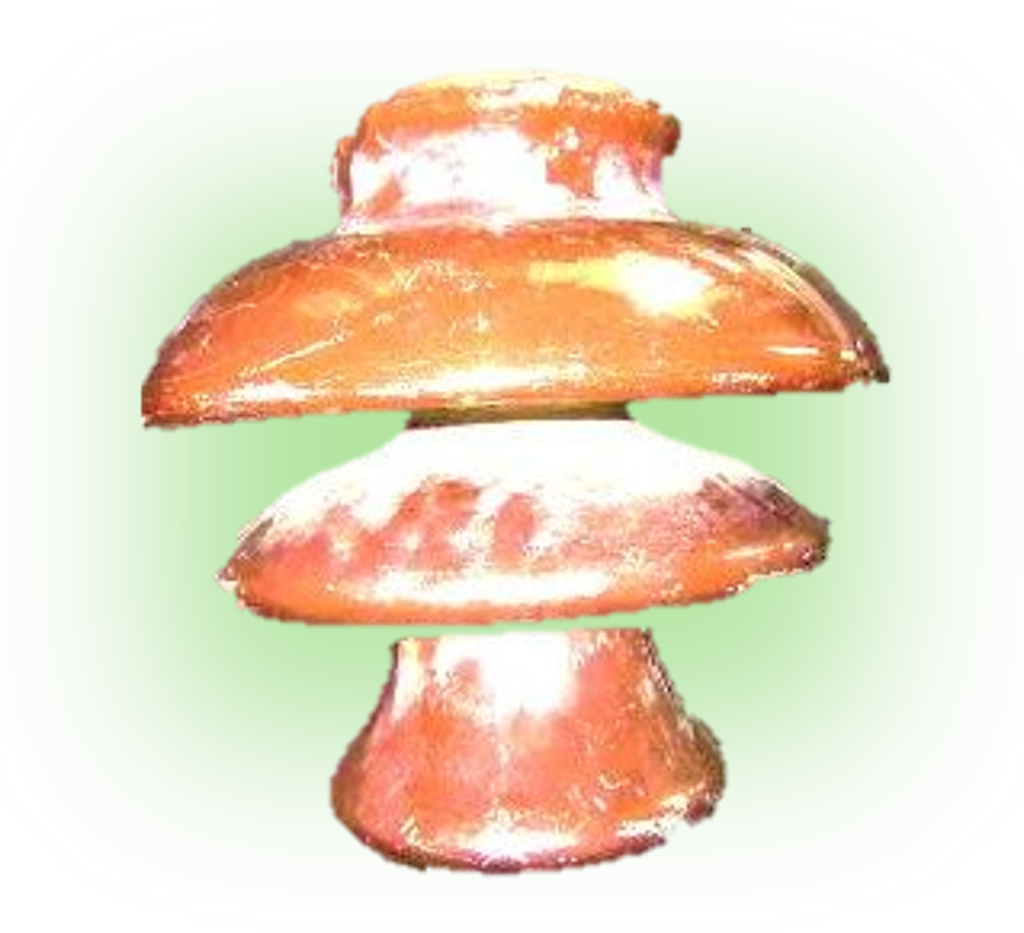
Corona Discharge
Occurs when surrounding air ionizes due to high electrical stress.
Common in:
- Switchyards
- Transmission lines
- Cable terminations
- Isolators
Effects:
- Insulation degradation
- Energy loss
- Ozone generation

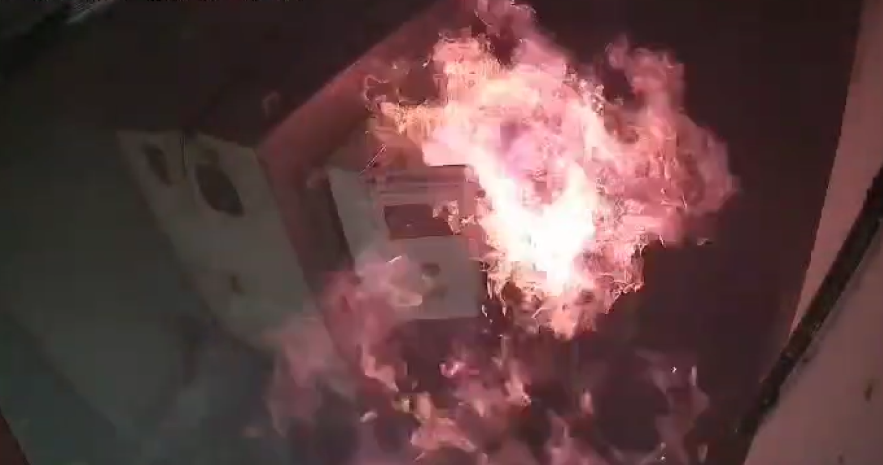
Arcing
A severe electrical discharge caused by:
- Loose connections
- Insulation breakdown
- Damaged conductors
Arcing can lead to:
- Flashover
- Fire hazards
- Equipment destruction
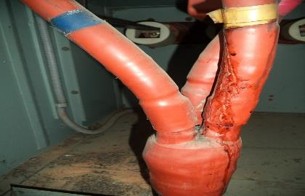
Surface Tracking
Electrical leakage current travels along contaminated insulation surfaces.
Causes:
- Dust
- Moisture
- Pollution deposits
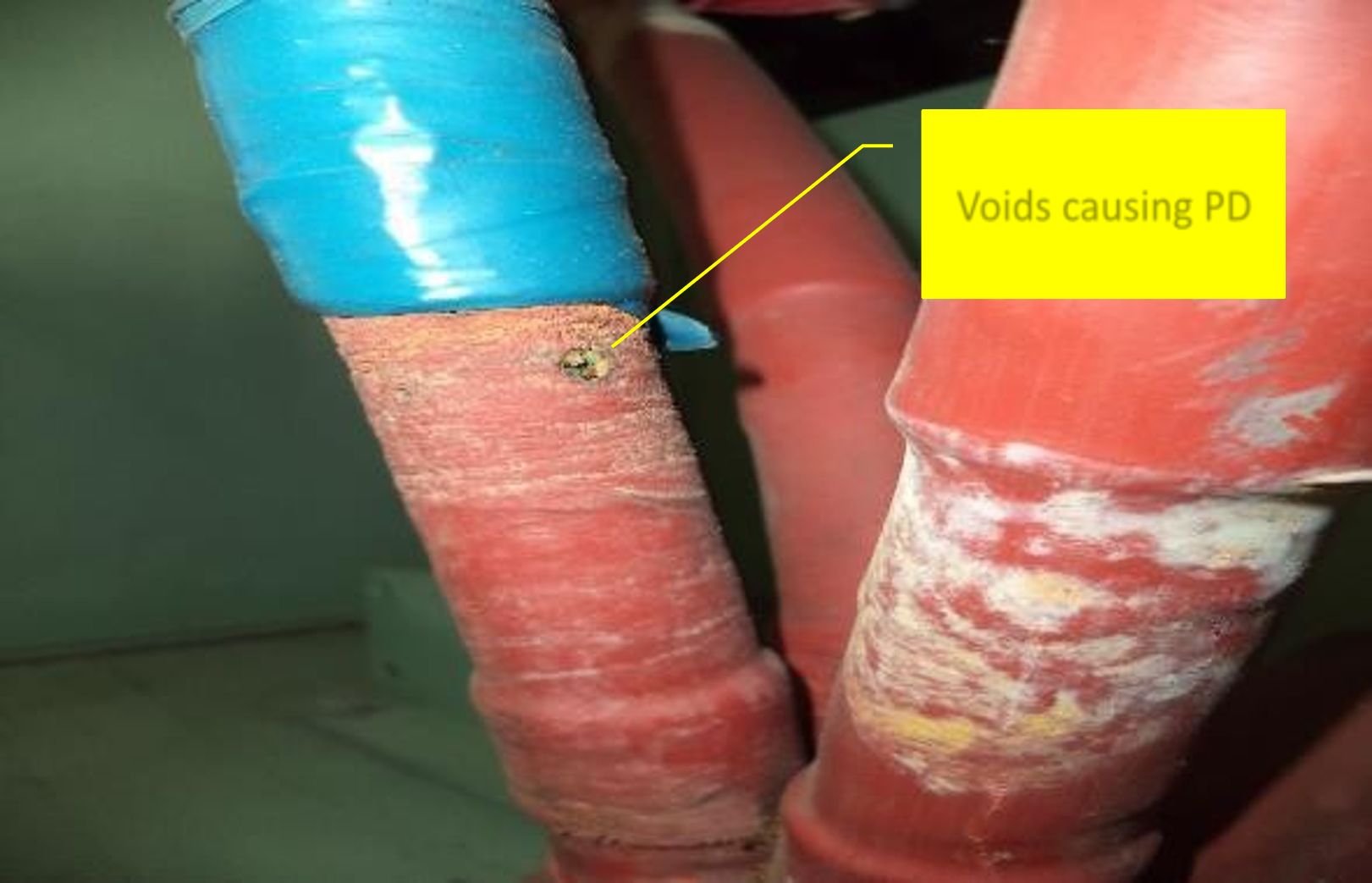
Internal Partial Discharge
Occurs within insulation voids or deteriorated insulation material.
- Often hidden and difficult to detect without advanced diagnostic tools.
Importance of HV Electrical Inspection
High voltage systems operate under:
- Extreme electrical stress
- High insulation demand
- Continuous operational loading
Even small insulation defects can rapidly develop into:
- Flashover incidents
- Equipment failure
- Fire hazards
- Unplanned shutdowns
Routine inspection helps industries maintain:
- Reliable power distribution
- Electrical safety
- Operational continuity
- Asset integrity
Partial Discharge (PD) Inspection
Partial discharge is an early-stage insulation failure phenomenon where localized electrical discharge occurs within or around insulation systems.
Causes of PD:
- Insulation aging
- Moisture ingress
- Contamination
- Air voids
- Surface deterioration
- Loose electrical connections
Thermal Imaging Inspection for HV Systems
Infrared thermography identifies abnormal heating caused by:
- Loose electrical joints
- High resistance connections
- Overloaded components
- Insulation deterioration
- Uneven current distribution
Thermal imaging allows safe online inspection of energized HV assets.
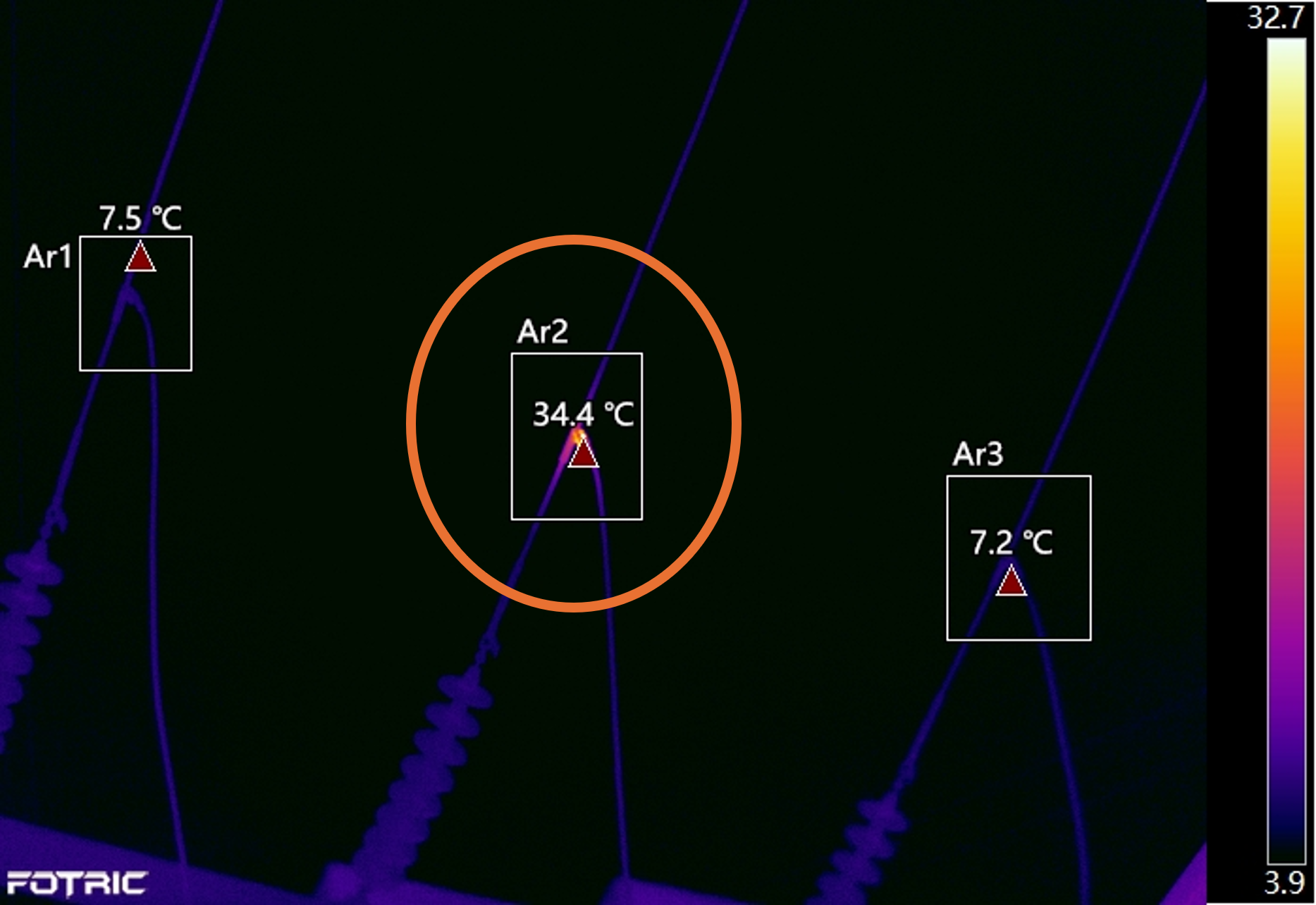
HV Assets Commonly Inspected
- Switchyards
- Power transformers
- Circuit breakers
- Isolators
- CTs & PTs
- Busbars
- GIS systems
- Cable terminations
- Lightning arresters
- Transmission lines
- HT motors
- Substations
Benefits of Ultrasound Inspection
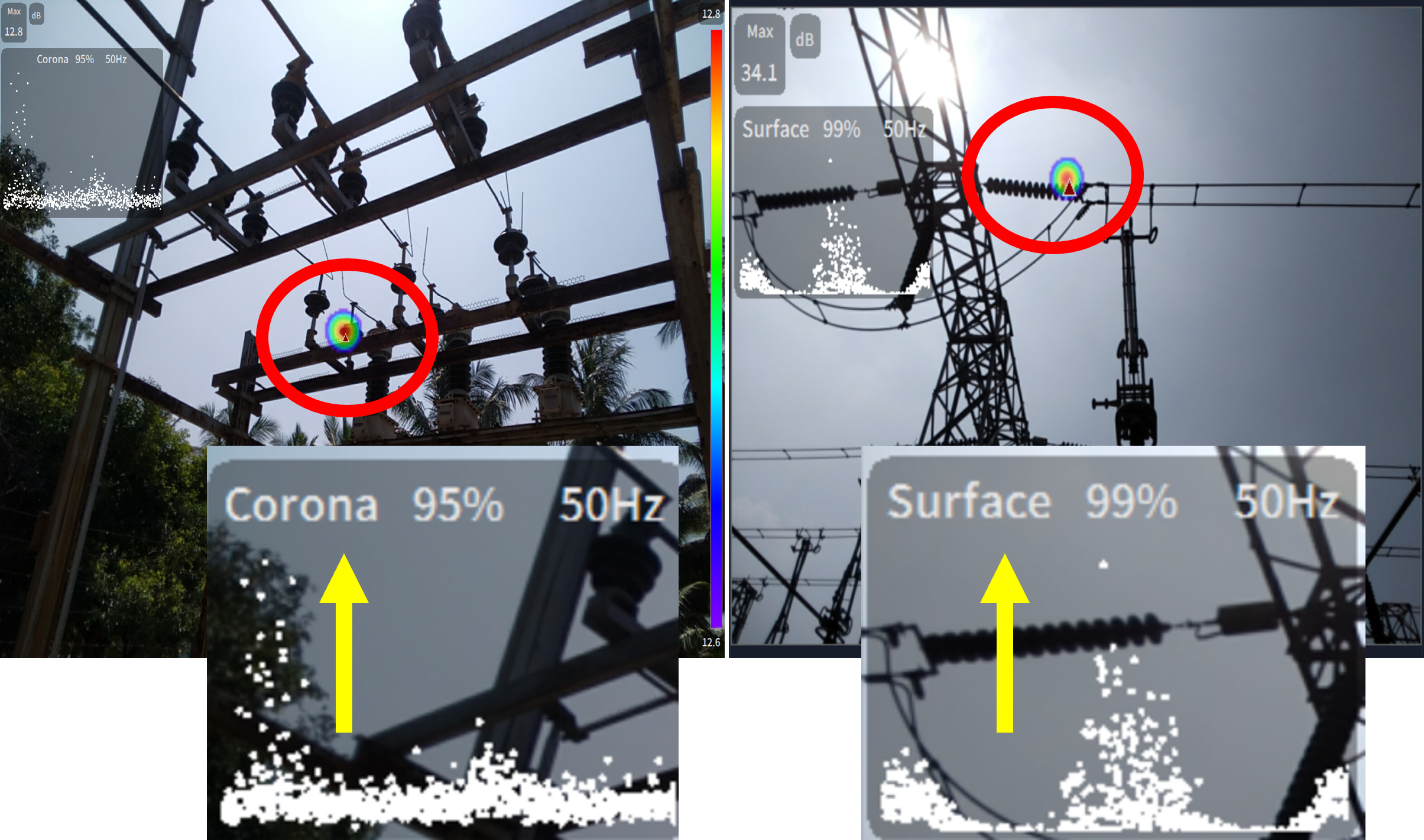
Early Detection of Electrical Discharge
- Detects insulation problems during the earliest stages.
Online Inspection
Inspection can be performed:
- While equipment is energized
- Without shutdown
- Enclosed Condition
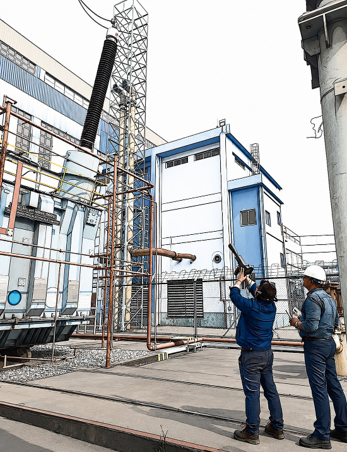
Safe Long-Distance Monitoring
Particularly effective for:
- Outdoor switchyards
- Elevated HV assets
- Restricted-access areas
Detection Before Thermal Failure
- Ultrasound often detects discharge activity before abnormal heat develops.
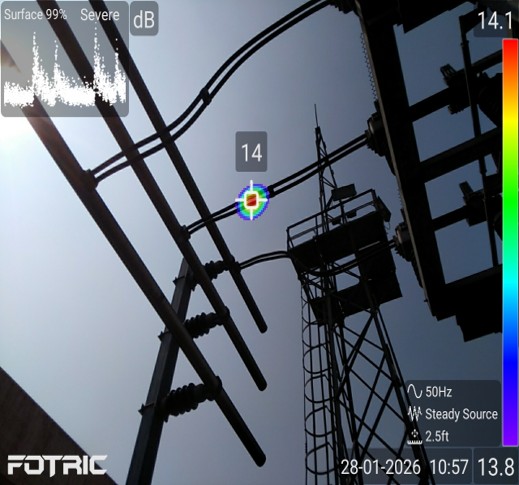
Identification of Hotspots
Detects abnormal heat caused by:
- Loose joints
- Overloading
- High resistance
Improved Reliability
- Helps prevent unexpected electrical failure.
Reduced Downtime
- Enables planned corrective maintenance.
Improved Safety
Reduces risks of:
- Flashovers
- Electrical fires
- Equipment explosions
Combined Ultrasound & Thermal Inspection
Using both technologies together provides comprehensive electrical diagnostics.
Ultrasound Detects:
Electrical discharge activity
PD
Corona
Arcing
Thermal Imaging Detects:
Overheating
Load imbalance
High resistance connections
Together they improve fault detection accuracy and reliability assessment.
Typical Inspection Observations
|
Fault Condition
|
Ultrasound Observation
|
Thermal Observation
|
|---|---|---|
|
Partial discharge
|
High-frequency discharge sound
|
Mild/local heating
|
|
Corona
|
Hissing ultrasonic sound
|
Minimal thermal rise
|
|
Arcing
|
Sharp discharge pattern
|
Severe hotspot
|
|
Overload
|
Electrical stress noise
|
Elevated temperature
|
|
Insulation deterioration
|
Continuous PD activity
|
Abnormal heat pattern
|
Benefits to Industry
|
Benefit
|
Impact
|
|---|---|
|
Early Fault Detection
|
Prevents catastrophic failure
|
|
Improved Electrical Safety
|
Reduced flashover risk
|
|
Reduced Downtime
|
Better operational continuity
|
|
Increased Equipment Life
|
Improved asset reliability
|
|
Predictive Maintenance Support
|
Better maintenance planning
|
|
Improved System Reliability
|
Stable power distribution
|
Why HV Inspection is Important
High voltage failures are often:
- Sudden
- Dangerous
- Expensive
Most insulation-related failures begin as small hidden defects that gradually worsen over time. Routine ultrasound and thermal inspections help industries:
- Detect hidden electrical defects early
- Improve maintenance planning
- Prevent costly shutdowns
- Enhance electrical safety
- Ensure reliable power system operation
Conclusion
High Voltage Electrical Inspection using Ultrasound and Thermal Imaging provides industries with an advanced predictive maintenance solution for identifying electrical discharge activity and thermal abnormalities before critical failure occurs.
By implementing advanced diagnostic technologies, industries can improve electrical reliability, reduce downtime, enhance safety, and achieve efficient and sustainable operations.
Advanced High Voltage Diagnostics for Reliable Power Systems